Video of Trent Alexander-Arnold arriving for Liverpool’s match against Spurs has left everyone concerned.
Footage of Trent Alexander-Arnold arriving for Liverpool’s Carabao Cup defeat against Spurs has surfaced, sparking concern among fans.

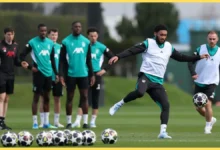


Speculation around Alexander-Arnold’s future continues to dominate headlines, with Real Madrid reportedly making every effort to secure the Liverpool vice-captain. The Spanish club had a January bid rejected by Liverpool, who risk losing one of their top players for free in the summer. While Alexander-Arnold is free to negotiate a pre-contract with foreign clubs, reports suggest his representatives have yet to engage in talks with Madrid, leaving the possibility of him staying at Anfield open.
Fans’ frustrations deepened following Alexander-Arnold’s underwhelming display in the 2-2 draw with Manchester United in the Premier League. This, combined with his absence from the starting XI in Liverpool’s League Cup clash with Spurs—where Conor Bradley deputized but couldn’t prevent Arne Slot’s side from falling to a controversial Lucas Bergvall goal—has led to mounting speculation about his future.
The footage of Alexander-Arnold arriving at the stadium has only added to concerns. In the video, a fan can be heard offering words of support, telling the defender, “We’re still behind you” and to “keep your head up,” but Alexander-Arnold appears unresponsive. Reactions on social media reflect mixed interpretations, with some fans criticizing his perceived lack of acknowledgment, while others, like @johnpeat, speculated he may have been wearing AirPods and didn’t hear the comments.
Alexander-Arnold could be back in action when Liverpool face Accrington Stanley in the FA Cup on Saturday. Manager Arne Slot, addressing concerns about the defender’s focus amid transfer rumors, insisted after the United game that Alexander-Arnold remains committed to Liverpool’s season objectives. Slot dismissed the idea that contract speculation is affecting performances, emphasizing the quality of opposition and tactical challenges as more likely factors behind any se
tbacks.